

Billie Silvey
Three Reformers
April 2007
Despite the fact that during the industrial revolution production
was increased, money was pouring into the country, and some
people were getting very rich, a few were concerned about
those on the other end of the spectrum. People began to
notice the horrible living conditions of the poor, the high death
rates among children, and the dangers of long hours working
among the machines that generated wealth.
Reformers, with both religious and humanitarian motivations,
tried to make things better.
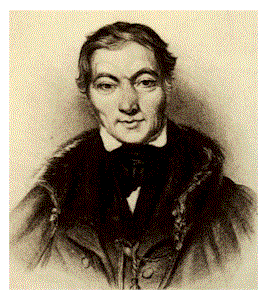
Robert Owen (1771-1858)
Robert Owen was born in Wales, but when he was 10, his
father sent him to work in a large drapers in Stamford,
England. After three years, he moved to a drapers in London,
where he worked until he was 16.
was increased, money was pouring into the country, and some
people were getting very rich, a few were concerned about
those on the other end of the spectrum. People began to
notice the horrible living conditions of the poor, the high death
rates among children, and the dangers of long hours working
among the machines that generated wealth.
Reformers, with both religious and humanitarian motivations,
tried to make things better.
Robert Owen (1771-1858)
Robert Owen was born in Wales, but when he was 10, his
father sent him to work in a large drapers in Stamford,
England. After three years, he moved to a drapers in London,
where he worked until he was 16.
At 19, he borrowed 100 pounds to go into
business with an engineer, manufacturing spinning
mules. When their partnership ended, Owen
became a manager of a large spinning factory in
Manchester. There he met David Dale, owner
of Chorton Twist Company in New Lanark,
Scotland, the largest cotton spinning business in
Britain. They became close friends, and in 1799,
Owen married Dale’s daughter, Caroline.
With financial support from several businessmen
from Manchester, Owen purchased Dale’s
four textile factories in New Lanark for 60,000
pounds. The business grew rapidly.
business with an engineer, manufacturing spinning
mules. When their partnership ended, Owen
became a manager of a large spinning factory in
Manchester. There he met David Dale, owner
of Chorton Twist Company in New Lanark,
Scotland, the largest cotton spinning business in
Britain. They became close friends, and in 1799,
Owen married Dale’s daughter, Caroline.
With financial support from several businessmen
from Manchester, Owen purchased Dale’s
four textile factories in New Lanark for 60,000
pounds. The business grew rapidly.
But Owen wasn’t interested just in making money. He
was convinced that a good environment would help produce
rational and humane people. He strongly opposed physical
punishment in schools and factories, and he banned it in his
factory town of New Lanark.
Dale had built houses close to his factories, and by the time
Owen arrived, over 2,000 people lived in New Lanark village.
At the time, children as young as five were working 13 hours a
day in textile mills. Owen stopped employing children under
10 and reduced the labor of older children to 10 hours a day.
He built nursery and infant schools for the younger children.
Older children worked in the factory but attended secondary
school part of the day.
When Owen’s partners objected to his methods, he
borrowed money from a local banker to buy their shares in the
business. Then he sold the shares to people who agreed with
his approach.
He publicized his activities in a series of books to encourage
other factory owners to do the same. In 1816, he appeared
before Robert Peel’s House of Commons committee.
In his Observations on the Effect of the Manufacturing
System, Owen wrote: “The governing principle of trade,
manufactures and commerce is immediate pecuniary gain. All
are sedulously trained to buy cheap and to sell dear, and to
succeed in this art, the parties must be taught to acquire strong
powers of deception, and thus a spirit is generated through
every class of traders, destructive of that open, honest
sincerity, without which man cannot make others happy, nor
enjoy happiness himself.�
Pointing out that manufacturing is “more or less unfavorable
to the health and morals of adults," he wrote: “In the
manufacturing districts it is common for parents to send their
children of both sexes and seven or eight years of age, in winter
as well as summer, at six o’clock in the morning,
sometimes of course in the dark, and occasionally amidst frost
and snow, to enter the manufactories, which are often heated
to a high temperature, and contain an atmosphere far from
being the most favourable to human life, and in which all those
employed in them very frequently continue until twelve oâ
€™clock at noon, when an hour is allowed for dinner, after
which they return to remain, in a majority of cases, till eight oâ
€™clock at night.â€�
Asked by the Peel Committee why he thought it would be bad
for the children to be employed below the age of 10, Owen
pointed out that "there were 500 children, who had been taken
from poor-houses . . . and those children were generally from
the age of five and six to seven to eight. The hours at that time
were 13. Although these children were well fed, their limbs
were very generally deformed, their growth was stunted, and
although one of the best schoolmasters was engaged to instruct
these children regularly every night, in general, they made very
slow progress, even in learning the common alphabet. I came
to the conclusion that the children were injured by being taken
into the mills at this early age and employed for so many hours."
"If you do not employ children under ten, what would you do
with them?" a committee member asked.
"Instruct them, and give them exercise."
"Would there be a danger of their acquiring, by that time,
vicious habits, for want of regular occupation?"
"My own experiences leads me to say that I found quite the
reverse, that their habits have been good in proportion to the
extent of their instruction."
was convinced that a good environment would help produce
rational and humane people. He strongly opposed physical
punishment in schools and factories, and he banned it in his
factory town of New Lanark.
Dale had built houses close to his factories, and by the time
Owen arrived, over 2,000 people lived in New Lanark village.
At the time, children as young as five were working 13 hours a
day in textile mills. Owen stopped employing children under
10 and reduced the labor of older children to 10 hours a day.
He built nursery and infant schools for the younger children.
Older children worked in the factory but attended secondary
school part of the day.
When Owen’s partners objected to his methods, he
borrowed money from a local banker to buy their shares in the
business. Then he sold the shares to people who agreed with
his approach.
He publicized his activities in a series of books to encourage
other factory owners to do the same. In 1816, he appeared
before Robert Peel’s House of Commons committee.
In his Observations on the Effect of the Manufacturing
System, Owen wrote: “The governing principle of trade,
manufactures and commerce is immediate pecuniary gain. All
are sedulously trained to buy cheap and to sell dear, and to
succeed in this art, the parties must be taught to acquire strong
powers of deception, and thus a spirit is generated through
every class of traders, destructive of that open, honest
sincerity, without which man cannot make others happy, nor
enjoy happiness himself.�
Pointing out that manufacturing is “more or less unfavorable
to the health and morals of adults," he wrote: “In the
manufacturing districts it is common for parents to send their
children of both sexes and seven or eight years of age, in winter
as well as summer, at six o’clock in the morning,
sometimes of course in the dark, and occasionally amidst frost
and snow, to enter the manufactories, which are often heated
to a high temperature, and contain an atmosphere far from
being the most favourable to human life, and in which all those
employed in them very frequently continue until twelve oâ
€™clock at noon, when an hour is allowed for dinner, after
which they return to remain, in a majority of cases, till eight oâ
€™clock at night.â€�
Asked by the Peel Committee why he thought it would be bad
for the children to be employed below the age of 10, Owen
pointed out that "there were 500 children, who had been taken
from poor-houses . . . and those children were generally from
the age of five and six to seven to eight. The hours at that time
were 13. Although these children were well fed, their limbs
were very generally deformed, their growth was stunted, and
although one of the best schoolmasters was engaged to instruct
these children regularly every night, in general, they made very
slow progress, even in learning the common alphabet. I came
to the conclusion that the children were injured by being taken
into the mills at this early age and employed for so many hours."
"If you do not employ children under ten, what would you do
with them?" a committee member asked.
"Instruct them, and give them exercise."
"Would there be a danger of their acquiring, by that time,
vicious habits, for want of regular occupation?"
"My own experiences leads me to say that I found quite the
reverse, that their habits have been good in proportion to the
extent of their instruction."
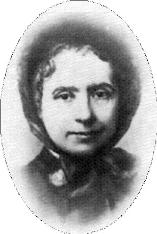
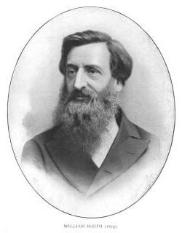
Catharine (1829-1890) and William Booth (1829-1912)
Catharine Mumford had read the Bible all the way through
eight times by the age of 12. She became a supporter of
England's national Temperance Society while in her teens.
William Booth's father, a nail maker, had been made
redundant by the advances of the Industrial Revolution.
"Make money," he told his son, but he died bankrupt.
Both Catharine and William shared a passion for social
reform, and they were married in 1855.
William became a minister in London, where he took his
message to "the poor, the hungry, the homeless and the
destitute." He originally planned to send his converts to
established congregations, but they scandalized the good
church people by showing up unwashed and in ragged
clothing.
In 1865, the Booths established the Christian Mission, which
was later called the Salvation Army. William continued his
outreach to the poor, while Catharine reached out to the
wealthy, raising funds for their work.
She fought against the match making industry who employed
women to dip match heads into yellow phosphorous, a toxic
substance responsible for the early and painful death of many
workers. She lobbied for the use of the safer but more
expensive red phosphorous which is used in match making
today.
She also preached, because from the beginning, the
Foundation Deed of the Christian Mission clearly stated that
women had the same right to preach as men.
In his book In Darkest England and the Way Out, William
called his program to help the poor "The Cab Horse
Charter" based on the principle that in England cab horses
were better provided for than millions of poor people
because they had "food, shelter, and work."
By 1900, The Salvation Army had served 27 million meals,
sheltered 11 million homeless people, found 18,000 missing
persons, and found work for 9,000 unemployed people.
William said, "The three S's best express the way in which
the Army ministered to the 'down-and-outs': first, soup;
second, soap; and finally, salvation."
By William Booth's death, the Salvation Army had spread to
58 countries.
eight times by the age of 12. She became a supporter of
England's national Temperance Society while in her teens.
William Booth's father, a nail maker, had been made
redundant by the advances of the Industrial Revolution.
"Make money," he told his son, but he died bankrupt.
Both Catharine and William shared a passion for social
reform, and they were married in 1855.
William became a minister in London, where he took his
message to "the poor, the hungry, the homeless and the
destitute." He originally planned to send his converts to
established congregations, but they scandalized the good
church people by showing up unwashed and in ragged
clothing.
In 1865, the Booths established the Christian Mission, which
was later called the Salvation Army. William continued his
outreach to the poor, while Catharine reached out to the
wealthy, raising funds for their work.
She fought against the match making industry who employed
women to dip match heads into yellow phosphorous, a toxic
substance responsible for the early and painful death of many
workers. She lobbied for the use of the safer but more
expensive red phosphorous which is used in match making
today.
She also preached, because from the beginning, the
Foundation Deed of the Christian Mission clearly stated that
women had the same right to preach as men.
In his book In Darkest England and the Way Out, William
called his program to help the poor "The Cab Horse
Charter" based on the principle that in England cab horses
were better provided for than millions of poor people
because they had "food, shelter, and work."
By 1900, The Salvation Army had served 27 million meals,
sheltered 11 million homeless people, found 18,000 missing
persons, and found work for 9,000 unemployed people.
William said, "The three S's best express the way in which
the Army ministered to the 'down-and-outs': first, soup;
second, soap; and finally, salvation."
By William Booth's death, the Salvation Army had spread to
58 countries.