February 2009
Billie Silvey
Geography and
Wildlife of India
Wildlife of India

Mountains

The snow-covered Himalayas,
the world's highest mountain
range, form India's northeastern
border with China and Nepal.
Other ranges include the
Kanikoram in Kashmir and the
Patkai, near the eastern border
of Myanmar.
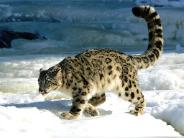
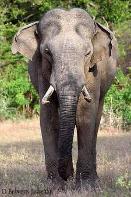
Snow leopards, ibex and wild
ass live in the mountains, while
elephants, tigers and one-horned
rhino live in the lower forests.
the world's highest mountain
range, form India's northeastern
border with China and Nepal.
Other ranges include the
Kanikoram in Kashmir and the
Patkai, near the eastern border
of Myanmar.
Snow leopards, ibex and wild
ass live in the mountains, while
elephants, tigers and one-horned
rhino live in the lower forests.
Indo-Gangetic Plain
The "Great Plains" of India are the
floodplains of the Indus and the
Ganga-Brahmaputra river systems. They
run parallel to the Himalaya Mountains to
drain most of northern and eastern India.
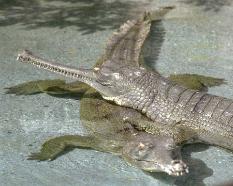
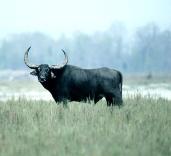
Animals of the Indo-Gangetic Plain
include water buffalo and the long-nosed
freshwater alligators known as gharials.
floodplains of the Indus and the
Ganga-Brahmaputra river systems. They
run parallel to the Himalaya Mountains to
drain most of northern and eastern India.
Animals of the Indo-Gangetic Plain
include water buffalo and the long-nosed
freshwater alligators known as gharials.
The Thar Desert is known as
the Great Indian Desert. It's
the world's seventh largest
desert and covers much of
western India.
Camels and wild asses trek the
sand dunes and craggy rock
formations of the Thar Desert.
the Great Indian Desert. It's
the world's seventh largest
desert and covers much of
western India.
Camels and wild asses trek the
sand dunes and craggy rock
formations of the Thar Desert.
Thar Desert
Central Highlands
The Central Highlands are
composed of the Malwa Plateau
in the West, the Duccan Plateau in
the south and the Chota Nagpur
Plateau in the east.
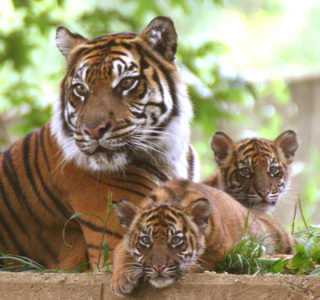
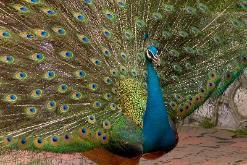
Animals of the Central Highlands
include tigers and peacocks. India
has a number of tiger preserves.
composed of the Malwa Plateau
in the West, the Duccan Plateau in
the south and the Chota Nagpur
Plateau in the east.
Animals of the Central Highlands
include tigers and peacocks. India
has a number of tiger preserves.