
February 2009
Billie Silvey
The
History of India
History of India

Indus Valley Civilization
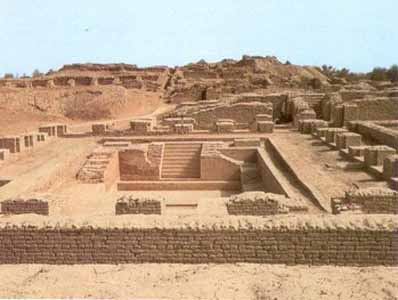
The history of India began around 3300 B.C. with a Bronze Age
culture that baked bricks and built cities in Lothal in modern-day
India and Harappa in modern-day Pakistan. The inhabitants of the
Indus River Valley produced copper, bronze, lead and tin.
culture that baked bricks and built cities in Lothal in modern-day
India and Harappa in modern-day Pakistan. The inhabitants of the
Indus River Valley produced copper, bronze, lead and tin.
Vedic Period
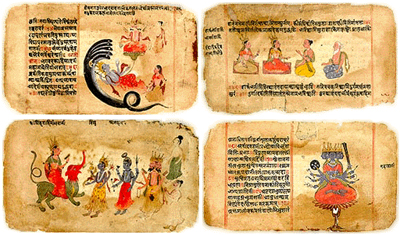
The sacred Indu texts, the Vedas, were written in Sanskrit during the
Iron Age by the Indo-Aryans, a mostly agricultural society centered
in the Ganges Plain.
Iron Age by the Indo-Aryans, a mostly agricultural society centered
in the Ganges Plain.
Maurya Empire
Chandragupta Maurya united the subcontinent in 321 B.C.
He built infrastructure--roads, bridges and a post office. His
capital on the Ganges was the greatest city in the world, 22
miles around. Greek ambassadors came to him seeking
knowledge.
The Maurya Empire reached its height under his grandson
Ashoka the Great, a brutal military leader who later converted
to Buddhism and taught his people peace, love, tolerance and
vegetarianism.
He built infrastructure--roads, bridges and a post office. His
capital on the Ganges was the greatest city in the world, 22
miles around. Greek ambassadors came to him seeking
knowledge.
The Maurya Empire reached its height under his grandson
Ashoka the Great, a brutal military leader who later converted
to Buddhism and taught his people peace, love, tolerance and
vegetarianism.
Gupta Empire
In the 4th and 5th centuries, Chandragupta I unified northern
India, issuing in the Golden Age of Hindu renaissance. Indian
culture, science and political administration reached new
heights. The earliest Puranas are thought to have been written
around this time.
India, issuing in the Golden Age of Hindu renaissance. Indian
culture, science and political administration reached new
heights. The earliest Puranas are thought to have been written
around this time.

Spice Trade with Rome
In the first century, Rome began
trading with India for the spices they
needed to preserve food. In July and
August, the monsoon winds blow
northeast, allowing ships to ride them
across the Indian Ocean. In
December, they reverse, allowing
sailors to return.
The Indians built ships by eye without
plans, beginning with the skin, then
putting the frame inside. Thus they
were able to sell spices, pepper, and
ginger and purchase Roman wine.
trading with India for the spices they
needed to preserve food. In July and
August, the monsoon winds blow
northeast, allowing ships to ride them
across the Indian Ocean. In
December, they reverse, allowing
sailors to return.
The Indians built ships by eye without
plans, beginning with the skin, then
putting the frame inside. Thus they
were able to sell spices, pepper, and
ginger and purchase Roman wine.

Persian and Greek Invasions
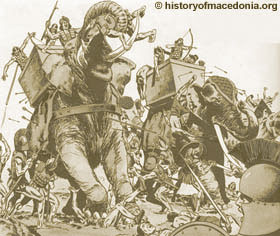
The Persian Archaemenid Empire spread into India in 520 BC
under Darius the Great. When Alexander the Great defeated the
Persian Empire, his troops swept into India, where he was met by
King Porus, whose troops used war elephants. The Greeks had
never seen elephants before and were frightened, but eventually
they were able to stampede the beasts, which trampled their own
footsoldiers.
under Darius the Great. When Alexander the Great defeated the
Persian Empire, his troops swept into India, where he was met by
King Porus, whose troops used war elephants. The Greeks had
never seen elephants before and were frightened, but eventually
they were able to stampede the beasts, which trampled their own
footsoldiers.
The Rajputs
The Islamic Sultanates
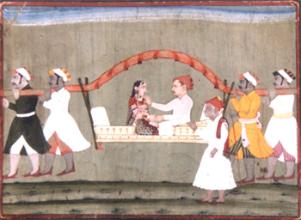
After the Guptas, three kingdoms vied for control of India,
ushering in a period of fragmentation and the rise of the
Rajputs, local rulers who fought against the Islamics.
ushering in a period of fragmentation and the rise of the
Rajputs, local rulers who fought against the Islamics.
The Vijayanagar Empire
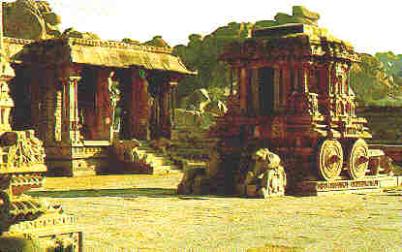
The Vijayanagars, the last of the Gupta rulers, held out in the
South. Theirs was an era of fine art and the classical development
of the spiritual and philosophical systems of Hinduism, Buddhism
and Jainism. They fell under pressure from the Huns from
Afghanistan.
South. Theirs was an era of fine art and the classical development
of the spiritual and philosophical systems of Hinduism, Buddhism
and Jainism. They fell under pressure from the Huns from
Afghanistan.

In the 13th century, Turks and Pashtuns conquered northern
India. An Indian cultural renaissance resulted in an
"Indo-Muslim" fusion in architecture, music, literature,
religion and clothing. From this fusion the Urdu language
rose, and in 1236, the reign of one of the few female rulers,
Razia Sultan, began.
India. An Indian cultural renaissance resulted in an
"Indo-Muslim" fusion in architecture, music, literature,
religion and clothing. From this fusion the Urdu language
rose, and in 1236, the reign of one of the few female rulers,
Razia Sultan, began.
Maratha Kingdom
The Mughal era
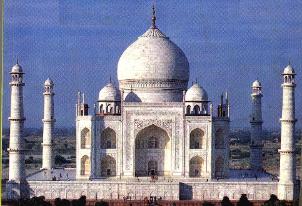
In 1526, Babur, a descendant of Timur and Genghis
Khan, established the Mughal Empire. Mughal emperors
married local royalty and allied local Maharajas.
The fusion of their Turko-Persian culture with ancient
Indian styles created the unique Indo-Saracenic
architecture. The Taj Mahal was built by one of the
Mughals.
Khan, established the Mughal Empire. Mughal emperors
married local royalty and allied local Maharajas.
The fusion of their Turko-Persian culture with ancient
Indian styles created the unique Indo-Saracenic
architecture. The Taj Mahal was built by one of the
Mughals.
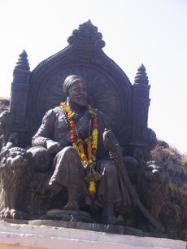
Shivaji founded and consolidated
the Maratha Kingdom, which
became the last Hindu empire in
India. The Marathas were defeated
by the British in the third
Anglo-Maratha War.
the Maratha Kingdom, which
became the last Hindu empire in
India. The Marathas were defeated
by the British in the third
Anglo-Maratha War.
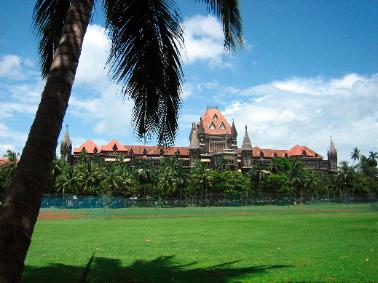
The British East India Company was given permission to trade
in India in 1617. In 1757, Robert Clive defeated the Nawab's
forces in the Battle of Plassey and was appointed by the
Company its first "Governor of Bengal."
After the First War of Independence in 1857 opposed the
rule, power was transferred from the East India Company to
the British Crown, which administered most of India as a
colony.
in India in 1617. In 1757, Robert Clive defeated the Nawab's
forces in the Battle of Plassey and was appointed by the
Company its first "Governor of Bengal."
After the First War of Independence in 1857 opposed the
rule, power was transferred from the East India Company to
the British Crown, which administered most of India as a
colony.
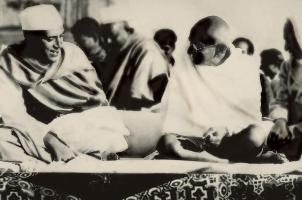
Independence
Gandhi (right) began the non-violent campaign for
independence, and Nehru (left) became the first leader
when the British left in 1947. The country was partitioned
into the Union of India and the Dominion of Pakistan due to
tensions between Hindus and Muslims.
independence, and Nehru (left) became the first leader
when the British left in 1947. The country was partitioned
into the Union of India and the Dominion of Pakistan due to
tensions between Hindus and Muslims.
British Colonial Rule