

March 2008
Billie Silvey
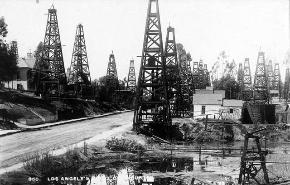
Oil was discovered in
1892 near the present
location of Dodger
Stadium. By 1923,
Los Angeles was
producing a quarter of
the world’s oil
supply.
1892 near the present
location of Dodger
Stadium. By 1923,
Los Angeles was
producing a quarter of
the world’s oil
supply.
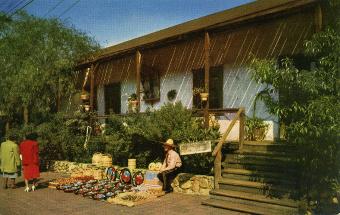
In 1822, New Spain won
independence from its mother country,
and Los Angeles became a part of
Mexico. This is the earliest adobe in
Los Angeles, built in 1818 and now a
part of Olvera Street.
In the 1840s, after the Mexican War,
California became an independent
republic. It was annexed by the United
States in 1850, and on April 4, Los
Angeles was incorporated as a city.
Compelled to confirm their land grants
in U.S. courts, 10% of the old
landowners lost their land. Some
were absorbed into other communities,
while others resisted Anglo power.
independence from its mother country,
and Los Angeles became a part of
Mexico. This is the earliest adobe in
Los Angeles, built in 1818 and now a
part of Olvera Street.
In the 1840s, after the Mexican War,
California became an independent
republic. It was annexed by the United
States in 1850, and on April 4, Los
Angeles was incorporated as a city.
Compelled to confirm their land grants
in U.S. courts, 10% of the old
landowners lost their land. Some
were absorbed into other communities,
while others resisted Anglo power.
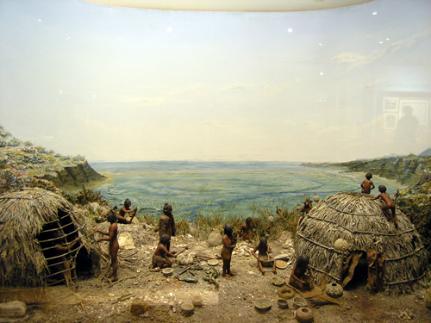
Los Angeles was first settled by the Tongvas, or Gabrielinos, a tribe
that lived in villages around the Los Angeles basin. Juan Cabrillo
landed at what’s now San Pedro in 1542, and, seeing smoke from
the Indians’ fires, described the area as “the valley of smokes.â
€� Even then, the natural topography of the region created smog.
Franciscan missionaries led by Fr. Junipero Serra established missions
at San Gabriel and San Fernando in the 1770s. At that time, some
5,000 Tongvans lived in 31 villages.
that lived in villages around the Los Angeles basin. Juan Cabrillo
landed at what’s now San Pedro in 1542, and, seeing smoke from
the Indians’ fires, described the area as “the valley of smokes.â
€� Even then, the natural topography of the region created smog.
Franciscan missionaries led by Fr. Junipero Serra established missions
at San Gabriel and San Fernando in the 1770s. At that time, some
5,000 Tongvans lived in 31 villages.
A History of
Los Angeles
Los Angeles
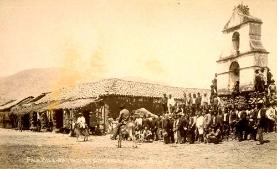
On Sept. 4, 1781, a
group of 44 pobladores
(townspeople) escorted
by a military detachment
and two priests from San
Gabriel mission founded
a settlement known as El
Pueblo de Nuestra
Senora Reina de Los
Angeles sobre El Rio
Porciuncula, or Our Lady
Queen of the Angels on
the Porciuncula River.
group of 44 pobladores
(townspeople) escorted
by a military detachment
and two priests from San
Gabriel mission founded
a settlement known as El
Pueblo de Nuestra
Senora Reina de Los
Angeles sobre El Rio
Porciuncula, or Our Lady
Queen of the Angels on
the Porciuncula River.
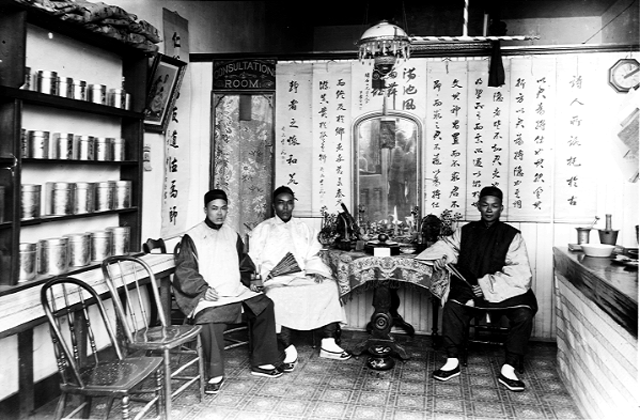
A thriving Chinatown was the site of a
tong war between rival gangs in 1871.
When a white man was accidentally
killed, a mob of 500 white men
attacked Chinatown, killing 19 Chinese
men and boys, only one of whom had
been involved in the original killing. A
white man who was trying to protect
the Chinese was killed, and homes and
businesses were looted.
tong war between rival gangs in 1871.
When a white man was accidentally
killed, a mob of 500 white men
attacked Chinatown, killing 19 Chinese
men and boys, only one of whom had
been involved in the original killing. A
white man who was trying to protect
the Chinese was killed, and homes and
businesses were looted.
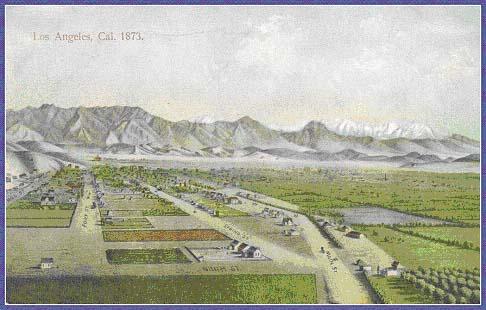
Growth continued as the population soared from 5,000 in the 1870s to
100,000 by 1900, stimulated by railway connections with Central Pacific
and San Francisco in 1876 and with the East by Santa Fe in 1885, which
resulted in a land boom.
100,000 by 1900, stimulated by railway connections with Central Pacific
and San Francisco in 1876 and with the East by Santa Fe in 1885, which
resulted in a land boom.
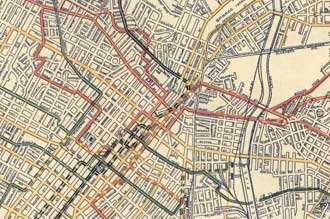
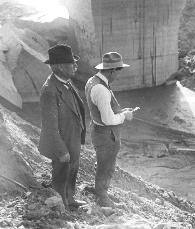
In 1905, the people of Los Angeles
voted for $22.5 million worth of bonds
to build an aqueduct from the Owens
River. William Mulholland, chief
engineer of the Los Angeles Water
Department, opened the project in
November 5, 1913 with a speech of
five words: “There it is. Take it.â
€�
voted for $22.5 million worth of bonds
to build an aqueduct from the Owens
River. William Mulholland, chief
engineer of the Los Angeles Water
Department, opened the project in
November 5, 1913 with a speech of
five words: “There it is. Take it.â
€�
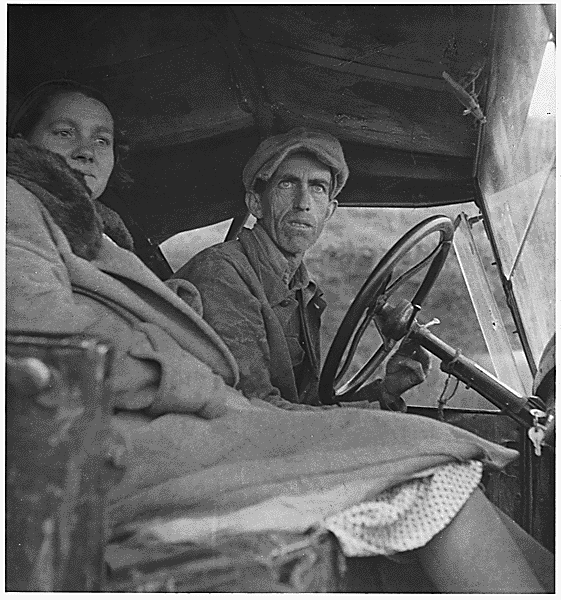
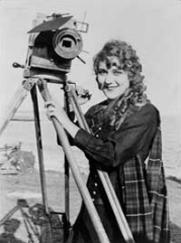
The burgeoning film industry in Los
Angeles and the arrival of the Okies
from the plains states illustrate the
economic extremes of 1920s Los
Angeles. Films grew out of a desire
to escape the hard reality of the times.
Angeles and the arrival of the Okies
from the plains states illustrate the
economic extremes of 1920s Los
Angeles. Films grew out of a desire
to escape the hard reality of the times.
The City of Los Angeles mostly remained within its original
28-square-mile landgrant until the 1890s. The first large
additions were Highland Park, Garvanza and South Los
Angeles. In 1906 came the annexation of Harbor Gateway, a
narrow strip of land leading south to the port. Port cities of
San Pedro and Wilmington were added in 1909, and
Hollywood in 1910, bringing the city up to 90 square miles and
giving it a barbell shape.
28-square-mile landgrant until the 1890s. The first large
additions were Highland Park, Garvanza and South Los
Angeles. In 1906 came the annexation of Harbor Gateway, a
narrow strip of land leading south to the port. Port cities of
San Pedro and Wilmington were added in 1909, and
Hollywood in 1910, bringing the city up to 90 square miles and
giving it a barbell shape.
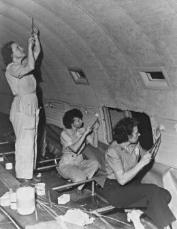
Los Angeles grew rapidly in the
1940s as war production drew
workers from across the nation.
1940s as war production drew
workers from across the nation.
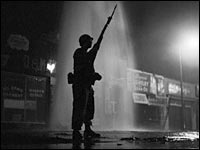
1965 was the year of the
Watts Riots, and the year
we moved to Los Angeles.
From then on, the history of
Los Angeles has been tied
up with the history of our
family.
Watts Riots, and the year
we moved to Los Angeles.
From then on, the history of
Los Angeles has been tied
up with the history of our
family.