
February 2009
Billie Silvey
Religion in India


Hinduism
Hinduism indentifies four major desires—for pleasure,
success, duty and liberation—and seeks to answer each
through knowledge, love, work, and psychophysical exercises.
Hindus see life in four stages:
1. The student, which begins between 8 and 12 and lasts 12
years. The student lives with his teacher and serves in return
for instruction.
2. The householder is centered about family, vocation and
community. The householder finds pleasure through marriage
and family, success through vocation and duty through
community service.
3. Self-discovery comes with retirement, leaving involvement
and going into the forest to seek a philosophy and a way of life.
4. Renunciation—re-entering society as a different person,
place doesn’t matter.
There are four major castes in Hindu society, though numerous
subdivisions. The Brahmins are seers, intellectual and spiritual
leaders, philosophers, artists, religious leaders and teachers.
They seek respect. Kshatriya are social and political
administrators. They seek power. The Vaishya are
producers, artisans, farmers, and engineers. They seek
money. And the Shudra are followers, workers who merely
seek wages.
Hinduism is polytheistic. There are three basic gods—the
Creator, Brahma; the Preserver, Vishnu; and the Destroyer,
Shiva.
success, duty and liberation—and seeks to answer each
through knowledge, love, work, and psychophysical exercises.
Hindus see life in four stages:
1. The student, which begins between 8 and 12 and lasts 12
years. The student lives with his teacher and serves in return
for instruction.
2. The householder is centered about family, vocation and
community. The householder finds pleasure through marriage
and family, success through vocation and duty through
community service.
3. Self-discovery comes with retirement, leaving involvement
and going into the forest to seek a philosophy and a way of life.
4. Renunciation—re-entering society as a different person,
place doesn’t matter.
There are four major castes in Hindu society, though numerous
subdivisions. The Brahmins are seers, intellectual and spiritual
leaders, philosophers, artists, religious leaders and teachers.
They seek respect. Kshatriya are social and political
administrators. They seek power. The Vaishya are
producers, artisans, farmers, and engineers. They seek
money. And the Shudra are followers, workers who merely
seek wages.
Hinduism is polytheistic. There are three basic gods—the
Creator, Brahma; the Preserver, Vishnu; and the Destroyer,
Shiva.

Buddhism
Buddhism began in India, growing out
of Hinduism, when a pampered Hindu
prince who had been protected from
all unpleasantness slipped away from
the palace and came across an old
person, a sick person, and a dead
body. Realizing that there was more to
life than he’d been allowed to
experience, he ran away into the forest
and meditated under a Bodhi tree.
There he became enlightened and
of Hinduism, when a pampered Hindu
prince who had been protected from
all unpleasantness slipped away from
the palace and came across an old
person, a sick person, and a dead
body. Realizing that there was more to
life than he’d been allowed to
experience, he ran away into the forest
and meditated under a Bodhi tree.
There he became enlightened and

taught his disciples what he had learned, advocating a Middle Path between
the extremes of self-indulgence and abstinence.
The Four Noble Truths are that:
1. Life is suffering, is out of joint.
2. Suffering or disjointedness is caused by desire, our ego pulling against
wholeness, against seeing others as extensions of ourselves.
3. The cure lies in overcoming our self-interests and desires.
4. The way out is by the Eightfold Path—right knowledge, right aspiration,
right speech, right behavior, right liveliness, right effort, right mindfulness, and
right absorption.
Currently, Buddhists compose just .77% of the population of India, though it
has had profound influence in Japan, China and Southeast Asia.
the extremes of self-indulgence and abstinence.
The Four Noble Truths are that:
1. Life is suffering, is out of joint.
2. Suffering or disjointedness is caused by desire, our ego pulling against
wholeness, against seeing others as extensions of ourselves.
3. The cure lies in overcoming our self-interests and desires.
4. The way out is by the Eightfold Path—right knowledge, right aspiration,
right speech, right behavior, right liveliness, right effort, right mindfulness, and
right absorption.
Currently, Buddhists compose just .77% of the population of India, though it
has had profound influence in Japan, China and Southeast Asia.
Religion is a way of life in India, permeating every aspect of
life. India is a secular society. Its constitution mandates equal
treatment and tolerance of all religions and the right to
practice, preach and propagate any religion.
life. India is a secular society. Its constitution mandates equal
treatment and tolerance of all religions and the right to
practice, preach and propagate any religion.
The dominant religion of India is
Hinduism, which is followed by over
80% of the population. Just as India
is made up of many people, many
castes, many languages, and many
types of geography, Hinduism
coexists with Jains, Buddhists,
Parsees, Muslims, Sikhs and
Christians. It sees the various
religions as alternate paths to God.
Hinduism, which is followed by over
80% of the population. Just as India
is made up of many people, many
castes, many languages, and many
types of geography, Hinduism
coexists with Jains, Buddhists,
Parsees, Muslims, Sikhs and
Christians. It sees the various
religions as alternate paths to God.
Islam
Islam is a monotheistic religion professing submission to
Allah and following the teachings of the prophet
Muhammad. It is the largest minority religion in India,
making up over 14% of the population. The interaction of
the two faiths led to a synthesis of Hindu and Islamic
elements in many spheres of life and culture.
Arab traders brought Islam to India in the early 8th century,
where it was spread by Mughal rulers in the 16th and 17th
centuries. In its first phase, Islam was aggressive, but the
mystics of Islam, or the Sufi saints, taught peace and
universal love and helped loosen the bonds of the caste
system.
Allah and following the teachings of the prophet
Muhammad. It is the largest minority religion in India,
making up over 14% of the population. The interaction of
the two faiths led to a synthesis of Hindu and Islamic
elements in many spheres of life and culture.
Arab traders brought Islam to India in the early 8th century,
where it was spread by Mughal rulers in the 16th and 17th
centuries. In its first phase, Islam was aggressive, but the
mystics of Islam, or the Sufi saints, taught peace and
universal love and helped loosen the bonds of the caste
system.


Christianity
Christians comprise about 2.5% of
the population of India, making
them the largest non-native Indian
religion.
Tradition has it that Christianity
came to India by way of
St.Thomas, who lived and died in
Southern India.
the population of India, making
them the largest non-native Indian
religion.
Tradition has it that Christianity
came to India by way of
St.Thomas, who lived and died in
Southern India.
Over 60% of Christians in India are Catholic, but all
denominations are represented. Historically, Christian
missionary activity was begun in 1544 by St. Francis Xavier.
Protestants as well as Catholic missionaries contributed to
social improvement and education. British rule had little to do
with the growth of Christianity in India.
denominations are represented. Historically, Christian
missionary activity was begun in 1544 by St. Francis Xavier.
Protestants as well as Catholic missionaries contributed to
social improvement and education. British rule had little to do
with the growth of Christianity in India.
Sikhism
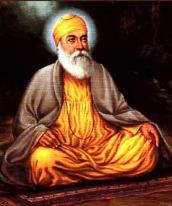
Sikhism began in the early 16th century
in the Punjab in northern India. Buru
Nanakk, founder of the faith, was a
Hindu who was also inspired by the
teachings of Islam, and preached unity.
He was succeeded by nine other
gurus. .
Sikhism teaches monotheism and the
equality of all men, but it also accepts
the Hindu ideas of karma and rebirth.
in the Punjab in northern India. Buru
Nanakk, founder of the faith, was a
Hindu who was also inspired by the
teachings of Islam, and preached unity.
He was succeeded by nine other
gurus. .
Sikhism teaches monotheism and the
equality of all men, but it also accepts
the Hindu ideas of karma and rebirth.
Jainism
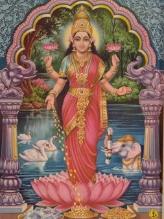
About .4% of Indians follow
Jainism, a nontheistic religion
and philosophical system.
Jainism rejects a creator god,
but accepts the divine nature of
every soul and its potential to
achieve God-consciouness.
Jainism promotes a culture of
wisdom and self-control.
Jainism, a nontheistic religion
and philosophical system.
Jainism rejects a creator god,
but accepts the divine nature of
every soul and its potential to
achieve God-consciouness.
Jainism promotes a culture of
wisdom and self-control.
The Triple Gems of Jainism include right perception, right
knowledge and right conduct, which liberate from the cycle
of birth and death. The basic ethical principles of Jainism
include nonviolence, truth, never taking things that are not
offered, abstinence from sex and renunciation of property
and wealth.
knowledge and right conduct, which liberate from the cycle
of birth and death. The basic ethical principles of Jainism
include nonviolence, truth, never taking things that are not
offered, abstinence from sex and renunciation of property
and wealth.