November 2009
Billie Silvey

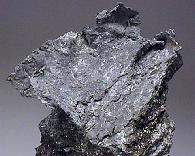
Metamorphic
Extreme heat or pressure operating on
sedimentary rock can change it into a
metamorphic rock.
Examples of these include tin, sulphide,
copper, silver, lead, zinc, antimony,
mercury, iron and manganese.
Extreme heat or pressure operating on
sedimentary rock can change it into a
metamorphic rock.
Examples of these include tin, sulphide,
copper, silver, lead, zinc, antimony,
mercury, iron and manganese.
Rocks and Minerals

The stuff the earth is made of is all one, but it goes through changes from
one form to another as shown in the diagram above. Minerals are the
solid crystalline substances formed by natural and largely inorganic
processes. Rocks are aggregates, or combinations of minerals formed
by natural forces acting on those minerals.
There are three major types of rocks, based on the way they are
formed. They come into being, are changed into other forms and break
down into yet others in a cycle that has continued since the earth began.
one form to another as shown in the diagram above. Minerals are the
solid crystalline substances formed by natural and largely inorganic
processes. Rocks are aggregates, or combinations of minerals formed
by natural forces acting on those minerals.
There are three major types of rocks, based on the way they are
formed. They come into being, are changed into other forms and break
down into yet others in a cycle that has continued since the earth began.
Igneous
Igneous rocks are formed when
volcanoes erupt or rock crystallizes
from magma or lava. Magma rises
because it is less dense than
surrounding rocks.
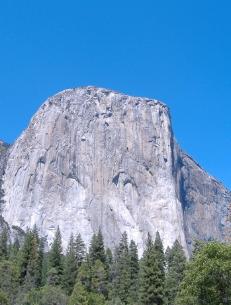
Granite, the most common type of
igneous rock, covers 85% of the earthâ
€™s crust. Rising from deep within
the earth, granite is basically gray with
black and white grains. The white
grains are quartz and the black, micas.
Other igneous rocks include obsidian,
basalt, and pumice.
Igneous rocks are formed when
volcanoes erupt or rock crystallizes
from magma or lava. Magma rises
because it is less dense than
surrounding rocks.
Granite, the most common type of
igneous rock, covers 85% of the earthâ
€™s crust. Rising from deep within
the earth, granite is basically gray with
black and white grains. The white
grains are quartz and the black, micas.
Other igneous rocks include obsidian,
basalt, and pumice.

Sedimentary
At or near the surface of the
ground, at lower temperatures and
pressures, igneous rock is broken
down by weather and transported
to rest in layers of sediment
particles. There it is converted
into rock by cementation or
compaction.
Examples of sedimentary rock
include sandstone, limestone, shale
and chalk, slate, marble and
quartzite.
At or near the surface of the
ground, at lower temperatures and
pressures, igneous rock is broken
down by weather and transported
to rest in layers of sediment
particles. There it is converted
into rock by cementation or
compaction.
Examples of sedimentary rock
include sandstone, limestone, shale
and chalk, slate, marble and
quartzite.
When metamorphic rock melts, it rises as magma and the process
begins again.
begins again.