Billie Silvey
September 2006
From three decades of
experience teaching the
Bible, both to children and
adults, I have a few
suggestions.
1. Pick a theme for a
series of lessons. A single,
unified theme gives
students something to hang
discrete bits of information
on.
experience teaching the
Bible, both to children and
adults, I have a few
suggestions.
1. Pick a theme for a
series of lessons. A single,
unified theme gives
students something to hang
discrete bits of information
on.
3. Emphasize
connections. Using a
timeline, a series of
illustrations of Bible
events, or games that
put events in order
helps students connect
isolated Bible stories
into a full concept of
God’s dealings with
people.
connections. Using a
timeline, a series of
illustrations of Bible
events, or games that
put events in order
helps students connect
isolated Bible stories
into a full concept of
God’s dealings with
people.
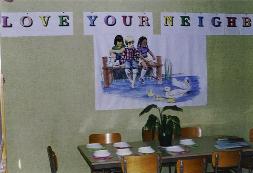
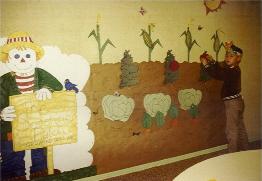
2. Create a total environment.
When I taught a series around a
camping theme, I borrowed
several sizes of artificial
Christmas trees and set up a â
€œwoodsâ€� in the corner of
the room, with a nest and
artificial birds on the branches.
Montages of nature
photographs brought the real
woods into the classroom, and
even teenagers enjoyed sitting
around a “campfire�
discussing their week.
When I taught a series around a
camping theme, I borrowed
several sizes of artificial
Christmas trees and set up a â
€œwoodsâ€� in the corner of
the room, with a nest and
artificial birds on the branches.
Montages of nature
photographs brought the real
woods into the classroom, and
even teenagers enjoyed sitting
around a “campfire�
discussing their week.
Teaching the Bible
Some Bible class material supplies a theme, but even if youâ
€™re teaching a single book of the Bible, read it repeatedly
and thoughtfully to determine what it’s about, then post
that theme prominently in your classroom.
€™re teaching a single book of the Bible, read it repeatedly
and thoughtfully to determine what it’s about, then post
that theme prominently in your classroom.
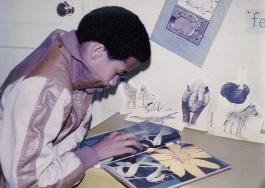
4. Make it real. Using
maps and a globe, together
with newspaper articles and
photos of Bible lands
shows that the settings for
various Bible stories are
real places that still exist in
today’s world.
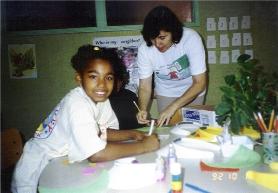
Letting students read, write,
talk, listen and make things
helps make the lesson real
no matter how each child
learns.
maps and a globe, together
with newspaper articles and
photos of Bible lands
shows that the settings for
various Bible stories are
real places that still exist in
today’s world.
Letting students read, write,
talk, listen and make things
helps make the lesson real
no matter how each child
learns.
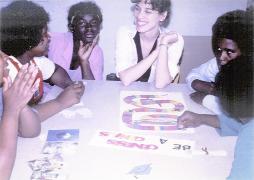
6. Stimulate discussion.
Talk with the students about
their lives and how they can
apply the lessons theyâ
€™re learning to biblical
concepts.
Be prepared to get deep. Itâ
€™s not easy to apply
concepts like turning the
other cheek or not being
greedy in today’s
world. Don’t hesitate to
admit it.
Talk with the students about
their lives and how they can
apply the lessons theyâ
€™re learning to biblical
concepts.
Be prepared to get deep. Itâ
€™s not easy to apply
concepts like turning the
other cheek or not being
greedy in today’s
world. Don’t hesitate to
admit it.
5. Connect with
school subjects. Turn
numbers from Bible
stories into math
problems and
measurements and
money into their
current equivalents to
give credence to both
scripture and school.
school subjects. Turn
numbers from Bible
stories into math
problems and
measurements and
money into their
current equivalents to
give credence to both
scripture and school.
Photos by Michio Nagai