August 2010
Billie Silvey

Hawaii's
Animals
Animals
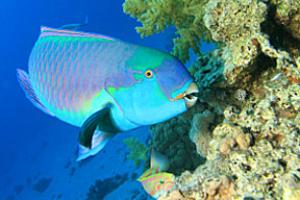
The parrotfish (above left)
creates Hawai's sandy beaches
by eating and digesting coral.
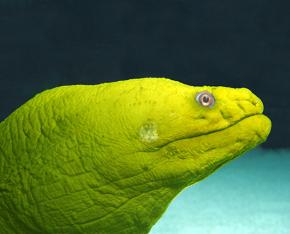
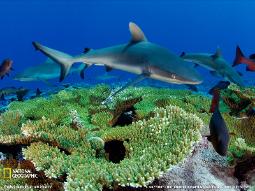
The grey reef shark and green
Moray eel can attack if
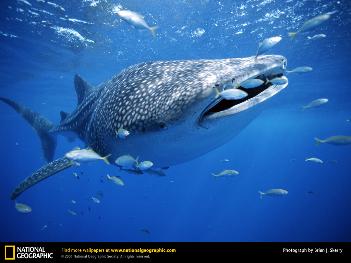
threatened, while the whale shark
is the largest and most harmless
fish in Hawaii.
creates Hawai's sandy beaches
by eating and digesting coral.
The grey reef shark and green
Moray eel can attack if
threatened, while the whale shark
is the largest and most harmless
fish in Hawaii.
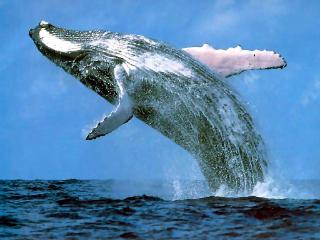
The humpback whale (left) is the largest
mammal of Hawaii. Other sea mammals
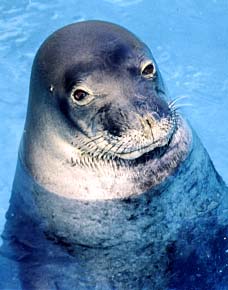
include the endangered Hawaiian monk seal
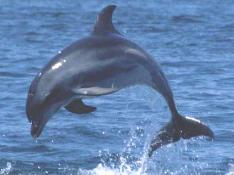
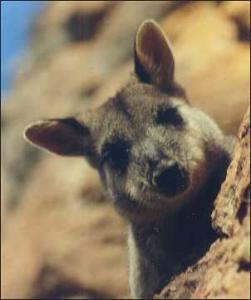
and bottlenose dolphins (above). Brushtail
rock wallabies (below left), natives of
Australia accidently released in 1916, inhabit
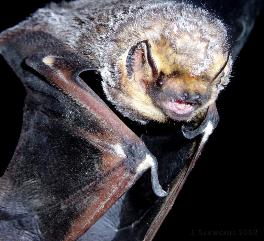
the Kalihi Valley. The endangered Hawaiian
hoary bat, (below) perhaps the rarest
species, is indigenous to the islands. It and
the monk seal are found nowhere else.
mammal of Hawaii. Other sea mammals
include the endangered Hawaiian monk seal
and bottlenose dolphins (above). Brushtail
rock wallabies (below left), natives of
Australia accidently released in 1916, inhabit
the Kalihi Valley. The endangered Hawaiian
hoary bat, (below) perhaps the rarest
species, is indigenous to the islands. It and
the monk seal are found nowhere else.
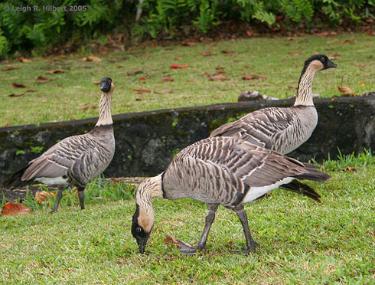
The nene (left), the Hawaii State Bird,
is a goose with white neck and
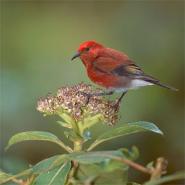
underside. The honey creeper (above)
is known for its bright colors, curved
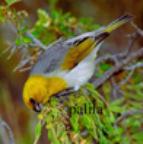
bill and furtive movements. The palila
is another brightly-colored bird with
splashes of blue and yellow. The
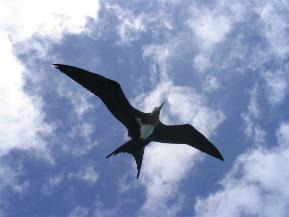
frigate bird's distinctive shape is easy to
distinguish overhead.
is a goose with white neck and
underside. The honey creeper (above)
is known for its bright colors, curved
bill and furtive movements. The palila
is another brightly-colored bird with
splashes of blue and yellow. The
frigate bird's distinctive shape is easy to
distinguish overhead.
Birds
Mammals
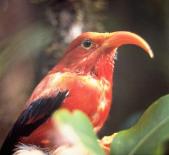
Apapane (above left) bottlenose
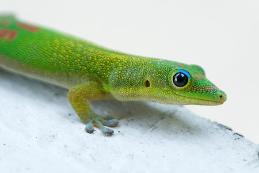
dolphins (above); gecko (left),
Hawaii monk seal (below)
dolphins (above); gecko (left),
Hawaii monk seal (below)
Rising from the floor in the middle of
the Pacific Ocean with the nearest
continent thousands of miles away, it's
not surprising that Hawaii has few
indigenous animals, more birds and
fish than anything else, and more
endangered species than any other
U.S. state.
the Pacific Ocean with the nearest
continent thousands of miles away, it's
not surprising that Hawaii has few
indigenous animals, more birds and
fish than anything else, and more
endangered species than any other
U.S. state.
Fish
Reptiles
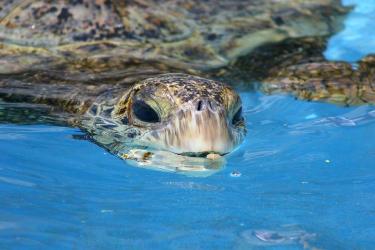
Reptiles include the gecko
(top of page) and the
endangered green sea turtle
(right)
(top of page) and the
endangered green sea turtle
(right)