
October 2011
Billie Silvey

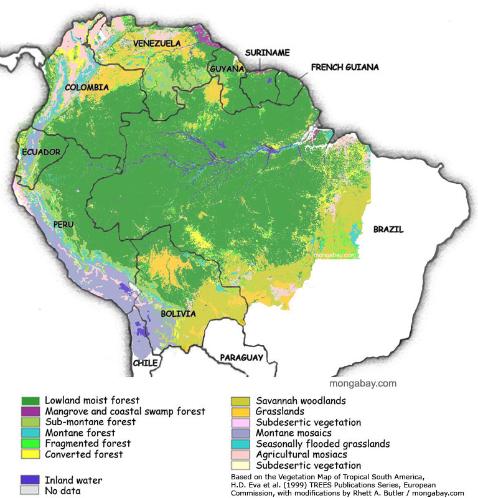
Biodiversity is a word that means the variety of life inhabiting a single
ecosystem, or interlocking environment. The richest and and most
diverse biodiversity is found in the Amazon River basin. It includes
half of the world's remaining rain forests and one in ten of known
species, including
-- 40,000 plant species
-- Over 300 mammals
-- 1,294 birds
-- 378 reptiles
-- 427 amphibians
-- 3,000 fish
The fecund plants and animals of the Amazon form an interdependent
web of life that makes it one of the most distinctive environments on
the planet.
Forty-three species of ants were found on a single tree in Peru, about
the same number as in the entire British Isles. More species of birds
were counted in a rainforest preserve in Peru than in the United
States. The number of species of fish in the Amazon exceeds the
number in the Atlantic Ocean.
The only plants that grow as dense as our usual concept of a jungle
grow along the river itself or where a tree falls and sunlight is able to
penetrate. Plants in the rainforest grow in four layers, each with its
distinctive plants and animal life. The first is the forest floor, the
second, the understory, third, the canopy and fourth, the emergents.
The forest floor is hot, dark and dank. Very little sunlight filters
through the thick layers of trees above, so few plants grow there.
Large tree trunks are interspersed with hanging vines and lianas, or
rooted, woody vines that climb trees. There are seedlings and
saplings and a few ground plants.
When tall trees fall, they decay quickly. Large ants scramble among
the leaves, caterpillars eat constantly, shedding their skin as they
grow, spiders, giant tarantulas and other insects that inhabit this lower
layer break them down so quickly that few nutrients enrich the
almost-sterile soil. Giant anteaters and tapirs inhabit this layer.
The plants of the next layer up, called the understory, have large
leaves to process the limited sunlight that reaches them. They seldom
grow higher than 12 feet tall and include ferns, palms, and
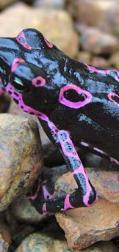
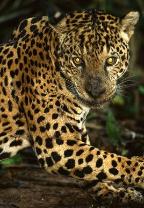
philodendron. The understory is home to jaguars, tree frogs, and
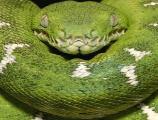
snakes.
The canopy is the umbrella-like cover of trees 65 to 130 feet tall. It is
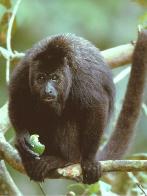
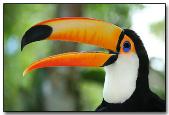
full of life--insects, arachnids, toucans, howler monkeys and reptiles.
From time to time, unusually tall trees burst through the canopy,
climbing to 200 feet from the forest floor. They are a part of the
emergent layer, forming nesting spots for harpy eagles, the largest
birds of the Amazon forest, which are capable of carrying off small
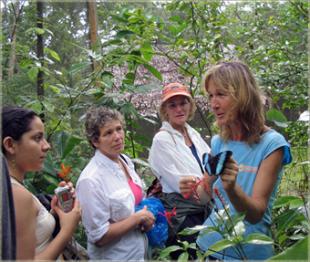
monkeys. Blue morpho butterflies with six-inch wingspans flit among
the emergent layer
Some 80 percent of our food originated in tropical rainforests,
including avocados, oranges, lemons, mangoes, coconuts, figs, corn,
potatoes, squash, chocolate, coffee, Brazil nuts and cashews.
The Amazon sustains the world's richest diversity of birds, freshwater
fish and butterflies. It is one of the world's last refuges for jaguars,
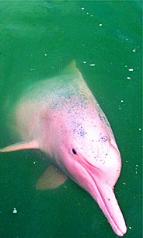
harpy eagles and pink dolphins. Other distinctive animals include
two-toed sloths, pygmy marmosets, tapir, giant river otters, Giant
Blue Morpho butterflies, capybara, and many types of monkeys.
ecosystem, or interlocking environment. The richest and and most
diverse biodiversity is found in the Amazon River basin. It includes
half of the world's remaining rain forests and one in ten of known
species, including
-- 40,000 plant species
-- Over 300 mammals
-- 1,294 birds
-- 378 reptiles
-- 427 amphibians
-- 3,000 fish
The fecund plants and animals of the Amazon form an interdependent
web of life that makes it one of the most distinctive environments on
the planet.
Forty-three species of ants were found on a single tree in Peru, about
the same number as in the entire British Isles. More species of birds
were counted in a rainforest preserve in Peru than in the United
States. The number of species of fish in the Amazon exceeds the
number in the Atlantic Ocean.
The only plants that grow as dense as our usual concept of a jungle
grow along the river itself or where a tree falls and sunlight is able to
penetrate. Plants in the rainforest grow in four layers, each with its
distinctive plants and animal life. The first is the forest floor, the
second, the understory, third, the canopy and fourth, the emergents.
The forest floor is hot, dark and dank. Very little sunlight filters
through the thick layers of trees above, so few plants grow there.
Large tree trunks are interspersed with hanging vines and lianas, or
rooted, woody vines that climb trees. There are seedlings and
saplings and a few ground plants.
When tall trees fall, they decay quickly. Large ants scramble among
the leaves, caterpillars eat constantly, shedding their skin as they
grow, spiders, giant tarantulas and other insects that inhabit this lower
layer break them down so quickly that few nutrients enrich the
almost-sterile soil. Giant anteaters and tapirs inhabit this layer.
The plants of the next layer up, called the understory, have large
leaves to process the limited sunlight that reaches them. They seldom
grow higher than 12 feet tall and include ferns, palms, and
philodendron. The understory is home to jaguars, tree frogs, and
snakes.
The canopy is the umbrella-like cover of trees 65 to 130 feet tall. It is
full of life--insects, arachnids, toucans, howler monkeys and reptiles.
From time to time, unusually tall trees burst through the canopy,
climbing to 200 feet from the forest floor. They are a part of the
emergent layer, forming nesting spots for harpy eagles, the largest
birds of the Amazon forest, which are capable of carrying off small
monkeys. Blue morpho butterflies with six-inch wingspans flit among
the emergent layer
Some 80 percent of our food originated in tropical rainforests,
including avocados, oranges, lemons, mangoes, coconuts, figs, corn,
potatoes, squash, chocolate, coffee, Brazil nuts and cashews.
The Amazon sustains the world's richest diversity of birds, freshwater
fish and butterflies. It is one of the world's last refuges for jaguars,
harpy eagles and pink dolphins. Other distinctive animals include
two-toed sloths, pygmy marmosets, tapir, giant river otters, Giant
Blue Morpho butterflies, capybara, and many types of monkeys.
BIODIVERSITY
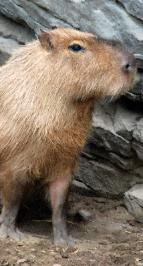
Capybara
| Jaguar |
Black Howler Monkey
Blue Morpho Butterfly
Pink River Dolphin