Billie Silvey
What's So Fun About Fear?
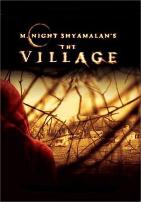
In his movie The Village, M. Knight Shyamalan explored the many
faces of fear, but particularly the way we allow our fear of external
threats to blind us to very real threats from within. In the movie, the
leaders of a group of settlers controlled them by pointing their
attention to threats from monsters in the woods, leaving them
vulnerable not only to the lies of the leaders themselves, but to the
very real threats of jealousy, hatred and murder in their midst.
Jesus warned of the same danger, “What goes into man’s
mouth does not make him unclean, but what comes out of his mouth,
that is what makes him ‘unclean’. . . . For out of the heart
come evil thoughts, murder, adultery, sexual immorality, theft, false
testimony, slander. These are what make a man ‘unclean’;
but eating with unwashed hands does not make him ‘unclean’â
€� (Matthew 15:11, 19). And “You clean the outside of the cup
and dish, but inside they are full of greed and self-indulgence�
(Matthew 23:25). Or as Pogo put it, “We have met the enemy,
and he is us!�
Our fears can be used against us, distracting us from the enemy
within--both our nation and ourselves. Greed and self-indulgence
are encouraged in this nation to drive the wheels of our economy.
But at what cost? Do our fears blind us to our own selfishness,
dishonesty, and evil feelings toward others?
According to Juhi Bakhshi, Sigmund Freud affirmed that we all
contain “unacceptable and even harmful sexual and violent
tendencies, the expression of which is unacceptable to our society.
During our growth and socialization process, we learn to bring under
control or rather repress the negative tendencies. We, thereby,
obliterate them from our conscious psyches but leave them alive and
kicking in our sub-conscious psyches or ‘Id.’ Horror films
with their blood and gore help us deal with these destructive ‘Idâ
€™ impulses from ‘discreet distances with the insulation of
metaphor.’� Thus fear can shield us from our own negative
tendencies.
Ghost stories keep us at a distance from the real threats and fears in
our lives. Bakhshi quotes H. P. Lovecraft's description of fear as â
€œthe oldest and strongest emotion.â€� Things that frighten us
appeal to our curiosity--about a world without God, about evil
forces, and about the evil that lies in our own hearts. They appeal to
our need to test ourselves and conquer our fears by facing them and
staring them down. They satisfy our need to seek sensations by
allowing us to identify with those at risk while avoiding risk
ourselves. We get an endorphin high, or what Matthew J. Friedman,
M.D., calls “‘stress induced analgesia’--a state of
painlessness brought on by stress.� In other words, the
heightened awareness brought on by fake fears can actually deaden
us to real threats.
It’s not that we aren’t afraid. According to Rose Pacatte,
Wes Craven said that “the reason people go to horror films is
because they are already scared. They go so they can gain a kind of
symbolic control over the loss and chaos of their lives and
experience catharsis, or as the dictionary says ‘a purgation of
emotions.’�
We’re afraid all right Afraid of natural disasters, afraid of
terrorists. afraid of enemies in other countries, afraid of losing the
comforts and position we have. But, mostly we’re afraid of
dying, something that will happen to all of us. And ironically, our
very fears may cost us something even more precious than our lives--
our freedom to question, to examine ourselves and our society--to
uncover the evil within.
faces of fear, but particularly the way we allow our fear of external
threats to blind us to very real threats from within. In the movie, the
leaders of a group of settlers controlled them by pointing their
attention to threats from monsters in the woods, leaving them
vulnerable not only to the lies of the leaders themselves, but to the
very real threats of jealousy, hatred and murder in their midst.
Jesus warned of the same danger, “What goes into man’s
mouth does not make him unclean, but what comes out of his mouth,
that is what makes him ‘unclean’. . . . For out of the heart
come evil thoughts, murder, adultery, sexual immorality, theft, false
testimony, slander. These are what make a man ‘unclean’;
but eating with unwashed hands does not make him ‘unclean’â
€� (Matthew 15:11, 19). And “You clean the outside of the cup
and dish, but inside they are full of greed and self-indulgence�
(Matthew 23:25). Or as Pogo put it, “We have met the enemy,
and he is us!�
Our fears can be used against us, distracting us from the enemy
within--both our nation and ourselves. Greed and self-indulgence
are encouraged in this nation to drive the wheels of our economy.
But at what cost? Do our fears blind us to our own selfishness,
dishonesty, and evil feelings toward others?
According to Juhi Bakhshi, Sigmund Freud affirmed that we all
contain “unacceptable and even harmful sexual and violent
tendencies, the expression of which is unacceptable to our society.
During our growth and socialization process, we learn to bring under
control or rather repress the negative tendencies. We, thereby,
obliterate them from our conscious psyches but leave them alive and
kicking in our sub-conscious psyches or ‘Id.’ Horror films
with their blood and gore help us deal with these destructive ‘Idâ
€™ impulses from ‘discreet distances with the insulation of
metaphor.’� Thus fear can shield us from our own negative
tendencies.
Ghost stories keep us at a distance from the real threats and fears in
our lives. Bakhshi quotes H. P. Lovecraft's description of fear as â
€œthe oldest and strongest emotion.â€� Things that frighten us
appeal to our curiosity--about a world without God, about evil
forces, and about the evil that lies in our own hearts. They appeal to
our need to test ourselves and conquer our fears by facing them and
staring them down. They satisfy our need to seek sensations by
allowing us to identify with those at risk while avoiding risk
ourselves. We get an endorphin high, or what Matthew J. Friedman,
M.D., calls “‘stress induced analgesia’--a state of
painlessness brought on by stress.� In other words, the
heightened awareness brought on by fake fears can actually deaden
us to real threats.
It’s not that we aren’t afraid. According to Rose Pacatte,
Wes Craven said that “the reason people go to horror films is
because they are already scared. They go so they can gain a kind of
symbolic control over the loss and chaos of their lives and
experience catharsis, or as the dictionary says ‘a purgation of
emotions.’�
We’re afraid all right Afraid of natural disasters, afraid of
terrorists. afraid of enemies in other countries, afraid of losing the
comforts and position we have. But, mostly we’re afraid of
dying, something that will happen to all of us. And ironically, our
very fears may cost us something even more precious than our lives--
our freedom to question, to examine ourselves and our society--to
uncover the evil within.
October 2005