
January 2009
Billie Silvey
In the
Beginning. . .
Beginning. . .

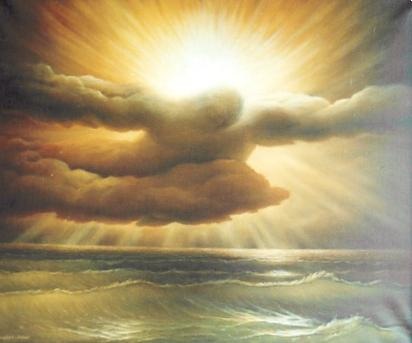
. . . God
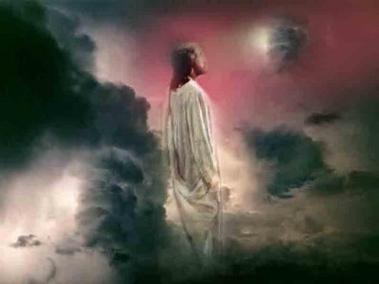
. . . was the Word
“In the beginning, God created.� The Book of Genesis is a
book of firsts. The word "genesis" means beginning, and this book
of beginnings opens with the first cause, God, and the first action,
creating.
God created the physical universe, from the core of the
earth to the vastness of space. God spoke light into being, dividing
darkness from light. God created the sky, separating the water
below from the water above. God sculpted the land to delineate
the bounds of the deep.
God created life. God created seed-bearing plants with the
ability to reproduce within them. God created animals, of mind-
boggling variety--large, small, flitting, lumbering, beautiful, frightful,
each intricately made with the seeds of life within itself. And God
created people in his image, with the ability to create but also with
the ability to destroy.
God created relationships. The book of Genesis tells of
responsibility, of caring and nurturing, of work. It also speaks of
community.
Community begins in the book of Genesis, and community is torn
apart there as well--because of sin and selfishness. God wants us
to live at peace in our relationships, our families, and our broader
communities. Breakdowns in community are the result of sin. We
want to do better, to make life better for everyone, but we aren't
always able to.
book of firsts. The word "genesis" means beginning, and this book
of beginnings opens with the first cause, God, and the first action,
creating.
God created the physical universe, from the core of the
earth to the vastness of space. God spoke light into being, dividing
darkness from light. God created the sky, separating the water
below from the water above. God sculpted the land to delineate
the bounds of the deep.
God created life. God created seed-bearing plants with the
ability to reproduce within them. God created animals, of mind-
boggling variety--large, small, flitting, lumbering, beautiful, frightful,
each intricately made with the seeds of life within itself. And God
created people in his image, with the ability to create but also with
the ability to destroy.
God created relationships. The book of Genesis tells of
responsibility, of caring and nurturing, of work. It also speaks of
community.
Community begins in the book of Genesis, and community is torn
apart there as well--because of sin and selfishness. God wants us
to live at peace in our relationships, our families, and our broader
communities. Breakdowns in community are the result of sin. We
want to do better, to make life better for everyone, but we aren't
always able to.
“In the beginning was the Word.� The Book of John is
one of the first four books of the New Testament, the Gospels,
which means “good news.� It opens with the good
news of Jesus, the Word.
“In the beginning was the Word, and the Word was
with God, and the Word was God. He was with God in the
beginning� (John 1:1). This tells us that Jesus was divine.
“The Word became flesh and lived for a while among
us. We have seen his glory, the glory of the one and only Son,
who came from the Father, full of grace and truth� (John 1:
14). This tells us that Jesus was human.
This Word, combining both human and divine, can
understand our limitations and enable us to overcome them.
The Gospels concentrate on Jesus’ life on earth—his
humble birth, his exemplary life of love and service, and his
redemptive death and resurrection, which give us the power to
triumph over sin and self, to live as God would have us live.
The Gospels also speak of responsibility and of community, of
living with and loving other people, of being a neighbor and a
part of his church.
They tell us, not just about a first, but about an only--"the only
Son, who is at the Father's side, [who] has made him known"
(John 1:18).
one of the first four books of the New Testament, the Gospels,
which means “good news.� It opens with the good
news of Jesus, the Word.
“In the beginning was the Word, and the Word was
with God, and the Word was God. He was with God in the
beginning� (John 1:1). This tells us that Jesus was divine.
“The Word became flesh and lived for a while among
us. We have seen his glory, the glory of the one and only Son,
who came from the Father, full of grace and truth� (John 1:
14). This tells us that Jesus was human.
This Word, combining both human and divine, can
understand our limitations and enable us to overcome them.
The Gospels concentrate on Jesus’ life on earth—his
humble birth, his exemplary life of love and service, and his
redemptive death and resurrection, which give us the power to
triumph over sin and self, to live as God would have us live.
The Gospels also speak of responsibility and of community, of
living with and loving other people, of being a neighbor and a
part of his church.
They tell us, not just about a first, but about an only--"the only
Son, who is at the Father's side, [who] has made him known"
(John 1:18).