Billie Silvey
Climate Change
March 2007
The world is getting warmer. Arid areas are getting drier. Ice
packs are melting. Storms are becoming more intense. And
we are at least partly to blame.
That’s the conclusion reached by a panel of scientists from
113 countries last month. According to the Associated Press, â
€œThe strongly worded report put pressure on the Bush
administration to reduce the United States’ growing share
of gases that trap heat in the atmosphere.� Greenhouse
gases absorb and redirect heat that otherwise would escape
into space.
According to the EPA, most of the world's emissions are
attributable to U.S. large-scale use of fuels in vehicles and
factories. We were responsible for 20% of global greenhouse
gases emitted in 1997, and since 1990, U. S. greenhouse gas
emissions have increased 16%. We are the only developed
country to reject the Kyoto Protocol, which called for cuts in
emissions.
The problem feeds on itself. Carbon dioxide in the
atmosphere creates an insulating layer that keeps heat in. And
higher temperatures start a chain reaction that makes warming
occur more rapidly.
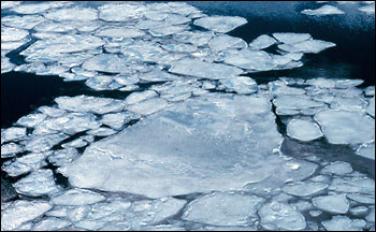
For example, the melting of the polar ice caps leaves less white
to reflect heat and more dark water, which absorbs it. Also,
the melting ice releases trapped methane, which increases the
insulating effect.
In the past, ice breaking off at the edge of an ice pack was
balanced by snow falling further up, keeping glaciers stable.
But now Greenland, for instance, is losing 20% more ice than it
is gaining. As the ice melts, water seeps between cracks in the
ice. When it freezes and expands, it breaks off in ever larger
chunks.
Meltwater forms a layer under the ice, decreasing friction and
making the glacier move more rapidly to the sea. When
floating ice melts, it doesn't cause a rise in the sea level, but
when glaciers melt, they do. Rising seas cause flooding,
stronger storms and hurricanes, especially on the Atlantic
Seaboard.
California is not exempt. Two news stories on the front
page of the Feb. 12 Los Angeles Times indicate that
California is being affected by global warming, and that we
need to do what we can to help reduce the effects.
A story by staff writer Steve Chawkins talks about the costs, in
lost business and wages, of closing the June Mountain ski
resort after just 23 days of operation due to the driest winter in
16 years. “Nobody knows whether the cause is global
warming or the meteorological glitch of a high-pressure area
hanging on, like a deranged houseguest, for months. In any
case, the numbers are bleak, with the eastern Sierra receiving
only 31% of its normal snowfall and California as a whole
getting just 40%.�
Beside that article was one by staff writer Richard Simon that
suggested one thing we as individuals might do to help lessen
the impact. “Cars and light trucks--including SUVs,
pickups and vans--account for about one-fifth of U.S. carbon
dioxide production. The better the fuel economy, the lower the
emissions of carbon dioxide, blamed for contributing to global
warming.�
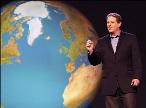
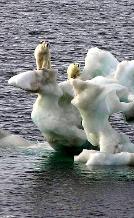
Touched by a bear. When I saw Al Gore's movie, An
Inconvenient Truth, I tried to grasp the mountain of data he
presented. But one image communicated with me like nothing
else did. It was a polar bear, struggling to climb onto an ice
floe.
Polar bears live year round on ice floes, hunting seals and
rearing their young. This particular bear swam up to the floe
and laid a paw on it to climb up. The ice broke off under its
weight. Over and over it tried to gain purchase, and over and
over, the ice crumbled and sank under it. It was painful to
watch.
It was two years ago when the London Sunday Times
(12/18/05), broke the story: "Scientists have for the first time
found evidence that polar bears are drowning because climate
change is melting the Arctic ice shelf." The bears are having to
swim up to 60 miles across open seas to find food. On such
long swims, they are at risk of exhaustion, hypothermia and
being swamped by waves.
What can we do? Concerned citizens can take actions that
help reduce greenhouse gas emissions:
1. Replace ordinary light bulbs with energy-efficient
alternatives.
2. Install a programmable thermostat.
3. Purchase electricity from more efficient and less polluting
sources directly from your energy provider.
4. Keep your car well tuned or replace it with a hybrid, and
carpool or take the bus when possible.
5. See what your employer can do to reduce emissions at
work.
6. Be informed. To help sort fact from opinion, consider the
source. Does it base its conclusions on good science, or does
it have another agenda--either political or financial--for
promoting the views it does?
packs are melting. Storms are becoming more intense. And
we are at least partly to blame.
That’s the conclusion reached by a panel of scientists from
113 countries last month. According to the Associated Press, â
€œThe strongly worded report put pressure on the Bush
administration to reduce the United States’ growing share
of gases that trap heat in the atmosphere.� Greenhouse
gases absorb and redirect heat that otherwise would escape
into space.
According to the EPA, most of the world's emissions are
attributable to U.S. large-scale use of fuels in vehicles and
factories. We were responsible for 20% of global greenhouse
gases emitted in 1997, and since 1990, U. S. greenhouse gas
emissions have increased 16%. We are the only developed
country to reject the Kyoto Protocol, which called for cuts in
emissions.
The problem feeds on itself. Carbon dioxide in the
atmosphere creates an insulating layer that keeps heat in. And
higher temperatures start a chain reaction that makes warming
occur more rapidly.
For example, the melting of the polar ice caps leaves less white
to reflect heat and more dark water, which absorbs it. Also,
the melting ice releases trapped methane, which increases the
insulating effect.
In the past, ice breaking off at the edge of an ice pack was
balanced by snow falling further up, keeping glaciers stable.
But now Greenland, for instance, is losing 20% more ice than it
is gaining. As the ice melts, water seeps between cracks in the
ice. When it freezes and expands, it breaks off in ever larger
chunks.
Meltwater forms a layer under the ice, decreasing friction and
making the glacier move more rapidly to the sea. When
floating ice melts, it doesn't cause a rise in the sea level, but
when glaciers melt, they do. Rising seas cause flooding,
stronger storms and hurricanes, especially on the Atlantic
Seaboard.
California is not exempt. Two news stories on the front
page of the Feb. 12 Los Angeles Times indicate that
California is being affected by global warming, and that we
need to do what we can to help reduce the effects.
A story by staff writer Steve Chawkins talks about the costs, in
lost business and wages, of closing the June Mountain ski
resort after just 23 days of operation due to the driest winter in
16 years. “Nobody knows whether the cause is global
warming or the meteorological glitch of a high-pressure area
hanging on, like a deranged houseguest, for months. In any
case, the numbers are bleak, with the eastern Sierra receiving
only 31% of its normal snowfall and California as a whole
getting just 40%.�
Beside that article was one by staff writer Richard Simon that
suggested one thing we as individuals might do to help lessen
the impact. “Cars and light trucks--including SUVs,
pickups and vans--account for about one-fifth of U.S. carbon
dioxide production. The better the fuel economy, the lower the
emissions of carbon dioxide, blamed for contributing to global
warming.�
Touched by a bear. When I saw Al Gore's movie, An
Inconvenient Truth, I tried to grasp the mountain of data he
presented. But one image communicated with me like nothing
else did. It was a polar bear, struggling to climb onto an ice
floe.
Polar bears live year round on ice floes, hunting seals and
rearing their young. This particular bear swam up to the floe
and laid a paw on it to climb up. The ice broke off under its
weight. Over and over it tried to gain purchase, and over and
over, the ice crumbled and sank under it. It was painful to
watch.
It was two years ago when the London Sunday Times
(12/18/05), broke the story: "Scientists have for the first time
found evidence that polar bears are drowning because climate
change is melting the Arctic ice shelf." The bears are having to
swim up to 60 miles across open seas to find food. On such
long swims, they are at risk of exhaustion, hypothermia and
being swamped by waves.
What can we do? Concerned citizens can take actions that
help reduce greenhouse gas emissions:
1. Replace ordinary light bulbs with energy-efficient
alternatives.
2. Install a programmable thermostat.
3. Purchase electricity from more efficient and less polluting
sources directly from your energy provider.
4. Keep your car well tuned or replace it with a hybrid, and
carpool or take the bus when possible.
5. See what your employer can do to reduce emissions at
work.
6. Be informed. To help sort fact from opinion, consider the
source. Does it base its conclusions on good science, or does
it have another agenda--either political or financial--for
promoting the views it does?